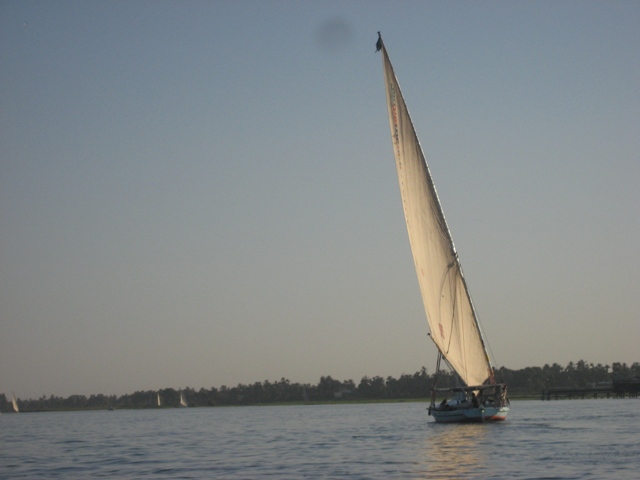
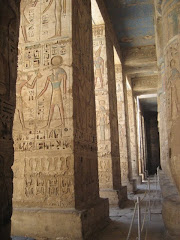
The University of Utah Museum of Fine Arts is loaning us their Middle East Cities Museum box for two weeks to give students a first hand experience with artifacts from the Middle East and lesson plans that will help to bring the objects alive.
The museum has a teacher outreach program which helps bring artifacts of many different cultures into the classroom. For further information see their website.
http://umfa.utah.edu/TRC
Thursday, February 5, 2009


Tuesday, November 25, 2008
A Culture of Middle East
The student government played the video of our Palestine trip to the whole student body during an assembly today. I'm not sure exactly how everyone took it. My goal isn't for every student to take Arabic or to change anyone's mind. I hope that Provo High can become a resource for understanding at a public school level.
I'm excited about the way we're working with the school and building a solid reputation. Here's what we've built so far.
The Arabic program here is IB (International Baccalaureate) which, like AP (Advanced Placement) demands a high level of performance and quality from students.
Kirk Belnap and Maggie Nassif at the National Middle East Language Resource Center (NMELRC) oversees our efforts and provides support and further teacher development.
I presented our Arabic program's involvement in the Palestine Exchange to the Deputy Assistant Secretary of State, Alina L. Romanowski over the Bureau of Educational and Cultural Affairs in Washington DC.
We work with and incoporate students from the national StarTalk summer program which trains high school-aged students in Arabic.
We are highly engaged in building connections with the Middle East. We work with Relief International: Schools Online to speak to Palestinian youth in Arabic. They sponsored students to travel to the region to meet the Palestinian youth. We also wrote letters to youth in Baghdad and corresponded briefly with a student living in Damascus.
We are highly engaged in our own community outreach. We have attended Utah Governor Huntsman's signing of the bill to fund critical languages. We have reached out to congressmen and women to support critical languages such as Arabic. We have reached out to local and state press and been featured in several articles. We have created an amateur documentary and a video essay of our experiences with the Middle East and Arabic specifically and shared them with a wide number of people including at today's assembly. We have distributed Arabic hoodies.
My most recent endeavor is to build up our Provo High library with quality resources in media, maps, and books to give the entire school a more unprejudiced view of peoples in the Middle East. The books should be arriving next week. I am very excited.
And yes, there are other things in the works but I am discovering that I can only reveal my successes after they have occurred.
Friday, October 17, 2008
Sentences we heard
Check out these sentences we heard on our trip then watch a video.
"Jet lag is when your feet hurt, right?" KO
"I do not fall asleep on moving objects." AE (5 minutes later he's fast asleep on the airplane)
"It's dark, let's go." YFK
"I don't like musical instruments anymore. I play them, I just don't like them." AE
"You missed out on Iron Man." AE to Beno because he had been in the Middle East for a year.
"I'm sorry I don't say anything funny." AF
"Finally someone who speaks Illuga Adam." JP
"I feel like the president." AE (his response to being driven around in bullet proof vans by Consulate guards into the West Bank)
"Everyone's good for something." NS
"It means whatever that means." AB (trying to explain an Arabic word)
"I've nothing in my head." JP
"The stinkier the better." YFK
"Let's eat your empty head." AB (who know where this came from)
"Meeting Canadians in England is different, they drink different water." AB
"I am talking about....what?" NS
"Are you seeing the glass half full or half empty?" JP AE's response, "I'm seeing the glass half and half."
"Dude! It's Evanescence. That's so cool." AF "I didn't expect Evanescence in the Middle East."
"I don't like birds. They should be flying." YFK
"If we don't hurry up, we're not going to make it to the Garden of Gethsemane." Sis Seely
"That's a frog!" KS
"He invites himself by himself." NS about Omar
"Uskut! You know what that means? SHUT UP!" JP
"No one can take me seriously in pink socks." AE (referring to how his clothes came back from the hotel laundry.)
"We look like those people who are on pictures for NGO's...oh wait...we are." AB
"I am not after the cute look." AE (still about his pink socks)
"We're girls, we're unmarried. It's ok." AF
"You have an equal chance of getting blown up as you do getting hit by a car!" Consulate intern guy
"I want something cold. I'm going to the yummy corner." KO
"How do you say check point in Arabic?" AF ..."Annoying." AE
"I can talk to my family but I can't talk to my tennis racket!" JP (speaking of things he misses from home)
"
"Jet lag is when your feet hurt, right?" KO
"I do not fall asleep on moving objects." AE (5 minutes later he's fast asleep on the airplane)
"It's dark, let's go." YFK
"I don't like musical instruments anymore. I play them, I just don't like them." AE
"You missed out on Iron Man." AE to Beno because he had been in the Middle East for a year.
"I'm sorry I don't say anything funny." AF
"Finally someone who speaks Illuga Adam." JP
"I feel like the president." AE (his response to being driven around in bullet proof vans by Consulate guards into the West Bank)
"Everyone's good for something." NS
"It means whatever that means." AB (trying to explain an Arabic word)
"I've nothing in my head." JP
"The stinkier the better." YFK
"Let's eat your empty head." AB (who know where this came from)
"Meeting Canadians in England is different, they drink different water." AB
"I am talking about....what?" NS
"Are you seeing the glass half full or half empty?" JP AE's response, "I'm seeing the glass half and half."
"Dude! It's Evanescence. That's so cool." AF "I didn't expect Evanescence in the Middle East."
"I don't like birds. They should be flying." YFK
"If we don't hurry up, we're not going to make it to the Garden of Gethsemane." Sis Seely
"That's a frog!" KS
"He invites himself by himself." NS about Omar
"Uskut! You know what that means? SHUT UP!" JP
"No one can take me seriously in pink socks." AE (referring to how his clothes came back from the hotel laundry.)
"We look like those people who are on pictures for NGO's...oh wait...we are." AB
"I am not after the cute look." AE (still about his pink socks)
"We're girls, we're unmarried. It's ok." AF
"You have an equal chance of getting blown up as you do getting hit by a car!" Consulate intern guy
"I want something cold. I'm going to the yummy corner." KO
"How do you say check point in Arabic?" AF ..."Annoying." AE
"I can talk to my family but I can't talk to my tennis racket!" JP (speaking of things he misses from home)
"
Friday, September 19, 2008
Ramadan Dinner


We went to a Ramadan dinner at Rennaisance Academy yesterday to break the fast at sunset.
Tuesday, August 26, 2008
West Bank Trip in the News

Tuesday, 26 August 2008
| Students return from West Bank trip |  |  |
| Janice Peterson - DAILY HERALD | |
|
Four Provo High School students are returning to school this year with a unique perspective of the Arabic language they have been learning. The four students and their Arabic teacher recently returned from a three-week trip to the West Bank, sponsored by Relief International. The group has previously brought Palestinian teens to the United States, but the experience was a rare opportunity for the Provo High students.
"This is the first time that they've actually brought American students over," said Audrey Bastian, the school's Arabic teacher. Bastian said she became involved with the organization last year, which enabled her to connect her students with Palestinian youth participating in Relief International programs across the world. The Palestinian youth would speak to her students through videos, and her students would send their video correspondence back. After a year of learning Arabic, the students were invited by the organization to visit Palestine and meet the youth with whom they had been speaking. The trip, which lasted from mid-July to early August, was a good opportunity for the students to learn first-hand about Arabic culture, Bastian said. "We were learning about people and interacting with them, but when we actually stayed in the homes, I think it solidified the exchange," she said. The two boys, Adam Evans and Josh Porter, stayed together in one home, and the two girls, Kathlene Ornano and Angela Ford, stayed in another. Each day, the group would meet their teacher and visit different organizations in cities around Palestine, learning about art, music and other culture. Bastian said the more-independent living situations helped the students to get a better feel for the way of life in Palestine. "We learn about the culture, then do it ourselves," she said. Bastian said the trip was an important learning experience for her students and the Palestinians they met. Both cultures tend to have strong opinions about the other, but meeting in person helps both sides to see they are actually very similar. "I'm guessing it will be a life-changing experience for them," she said. "They really enjoyed it." Provo High School Principal Sam Ray said that while the school did not sponsor the trip, the new Arabic language class opened the door for new experiences for the students. The school will be offering Arabic, Chinese and Russian this year -- all languages deemed critical by the U.S. Department of Defense. With current political tensions in many parts of the world, Ray said understanding such languages and cultures is important for Americans. "I think it gives them an insight into the world that they wouldn't have otherwise," he said. Adam Evans, a 10th-grader who took part in the trip, said the amount of security in the country was surprising to him, and he knows more about the turmoil in the region now that he has visited. Evans said he enjoyed visiting the Dead Sea and seeing the large wall separating Israel and the West Bank. "I now understand Arabic better because I actually went over there," he said. Kathlene Ornano said she enjoyed meeting Palestinian teens and finding similarities with her own culture. She said she was surprised to find they enjoy swimming and soccer and other activities that American youth enjoy. Ornano said getting to know another culture was fun for her, and she enjoyed learning Arabic better in her time abroad. "I've been living in two cultures my whole life," she said. "So to just see a third one, I love this!" Ornano said she believes many Americans are sheltered and do not understand other cultures throughout the world. She said this trip and others are important for other cultures to understand Americans, and for Americans to return home and educate others about their experiences. "I think that one person can change the world," she said. |
Friday, August 15, 2008
Welcome back!


I am excited to start another Arabic adventure with you. During the summer students were involved in several different Arabic activities. One student did Startalk and is planning to take Arabic classes at BYU. Also, four students went to Palestine/Israel for an intensive language experience and to meet Palestinians and stay in their homes. They also made the Palestinian Ma'an newspaper. (Posted below)
MAAN NEWS AGENCY
---------------------------
---------------------------
"This is what diplomacy should be;" Utah teens come to the West Bank
Date: 24 / 07 / 2008 Time: 15:53
Bethlehem – Ma'an – "This is what my job should be about," said Alistair Baskey, head of Cultural and Education Exchanges for the US consular office in Jerusalem, "not answering e-mails and phone calls."
This week Baskey has been overseeing a group of four American teenagers from Utah and more than fifty Palestinian youth from Hebron, Nablus, Ramallah and Jenin, as they connect in a language and cultural exchange. "This is real diplomacy," he said watching a basketball match between the teens.
The group is all part of a program funded by the US State Department that connects American youth with their peers in places as far away Tajikistan, Bangladesh, Afghanistan and Palestine. The ongoing and primarily web-based events are organized by the Global Connections and Exchange Program in cooperation with Relief International Schools On-Line (RISOL). The program is multifaceted, and includes IT training for participants, cultural information exchange, and online Arabic lessons.
Majd Iwidat, a 17-year-old Hebronite, learned how to use several different software programs as he and his peers at a local community center put together an instructional video on basic Arabic for a high school class in Utah. His participation in the program has earned him more than just IT experience, however.
As a RISOL student Majd traveled to the United States, visiting Washington DC, Los Angeles and Seattle, where he met his peers from Afghanistan, Tajikistan and the United States.
Kathlene Ornano, a 16-year-old American from Provo, Utah, was one of four Americans taking part in the program's organized visit to the West Bank. Kathlene started learning Arabic when she was 12, after she discovered that it was the language spoken in Egypt, where she hopes to some day explore the ancient pyramids.
It was Majd's video tutorials that helped Kathlene learn Arabic in her high school class of 13 students, under the direction of teacher Audry Bastian. Ms Bastian has brought the tools from RISOL into her language classrooms, to help her students learn what life is like in the countries where Arabic is spoken, and expose the students to the language in a real and interactive way.
While Majd joined the program out of his interest in computer technology, hoping some day to study computer science at Harvard, Kathlene isn't sure what she wants to do with her knowledge of Arabic. "Right now I really just want to know more," she said.
This is the first group of youth under 18 that the US consul has brought into the West Bank since 2001. "Security concerns" are preventing the group from visiting Majd in Hebron, and the young man will not be able to join the group during their tour of the Haram Ash-Sharif since he was not among the ten participants selected to receive special permission to enter Jerusalem.
Indeed, the reality of the situation – the group is followed closely by at least four security guards, has restricted access to Palestinian cities, and faces the restricted access of Palestinians to Jerusalem – is going to be part of the experience for the visiting Americans.
For the moment, however, the students do not seem too concerned about the political ramifications of their meeting.
Majd says that despite the impact that the United States has on his country, he is happy to meet good people from the area. Kathlene is enthralled with the ancient architecture of the old cities of East Jerusalem and Bethlehem. She was amazed to discover, upon entering some of the old buildings that "everything is new and modern." She said that the trip has shown her "there is a different view on the inside," of the homes, at least.
This week Baskey has been overseeing a group of four American teenagers from Utah and more than fifty Palestinian youth from Hebron, Nablus, Ramallah and Jenin, as they connect in a language and cultural exchange. "This is real diplomacy," he said watching a basketball match between the teens.
The group is all part of a program funded by the US State Department that connects American youth with their peers in places as far away Tajikistan, Bangladesh, Afghanistan and Palestine. The ongoing and primarily web-based events are organized by the Global Connections and Exchange Program in cooperation with Relief International Schools On-Line (RISOL). The program is multifaceted, and includes IT training for participants, cultural information exchange, and online Arabic lessons.
Majd Iwidat, a 17-year-old Hebronite, learned how to use several different software programs as he and his peers at a local community center put together an instructional video on basic Arabic for a high school class in Utah. His participation in the program has earned him more than just IT experience, however.
As a RISOL student Majd traveled to the United States, visiting Washington DC, Los Angeles and Seattle, where he met his peers from Afghanistan, Tajikistan and the United States.
Kathlene Ornano, a 16-year-old American from Provo, Utah, was one of four Americans taking part in the program's organized visit to the West Bank. Kathlene started learning Arabic when she was 12, after she discovered that it was the language spoken in Egypt, where she hopes to some day explore the ancient pyramids.
It was Majd's video tutorials that helped Kathlene learn Arabic in her high school class of 13 students, under the direction of teacher Audry Bastian. Ms Bastian has brought the tools from RISOL into her language classrooms, to help her students learn what life is like in the countries where Arabic is spoken, and expose the students to the language in a real and interactive way.
While Majd joined the program out of his interest in computer technology, hoping some day to study computer science at Harvard, Kathlene isn't sure what she wants to do with her knowledge of Arabic. "Right now I really just want to know more," she said.
This is the first group of youth under 18 that the US consul has brought into the West Bank since 2001. "Security concerns" are preventing the group from visiting Majd in Hebron, and the young man will not be able to join the group during their tour of the Haram Ash-Sharif since he was not among the ten participants selected to receive special permission to enter Jerusalem.
Indeed, the reality of the situation – the group is followed closely by at least four security guards, has restricted access to Palestinian cities, and faces the restricted access of Palestinians to Jerusalem – is going to be part of the experience for the visiting Americans.
For the moment, however, the students do not seem too concerned about the political ramifications of their meeting.
Majd says that despite the impact that the United States has on his country, he is happy to meet good people from the area. Kathlene is enthralled with the ancient architecture of the old cities of East Jerusalem and Bethlehem. She was amazed to discover, upon entering some of the old buildings that "everything is new and modern." She said that the trip has shown her "there is a different view on the inside," of the homes, at least.
Subscribe to:
Posts (Atom)

 Posts
Posts